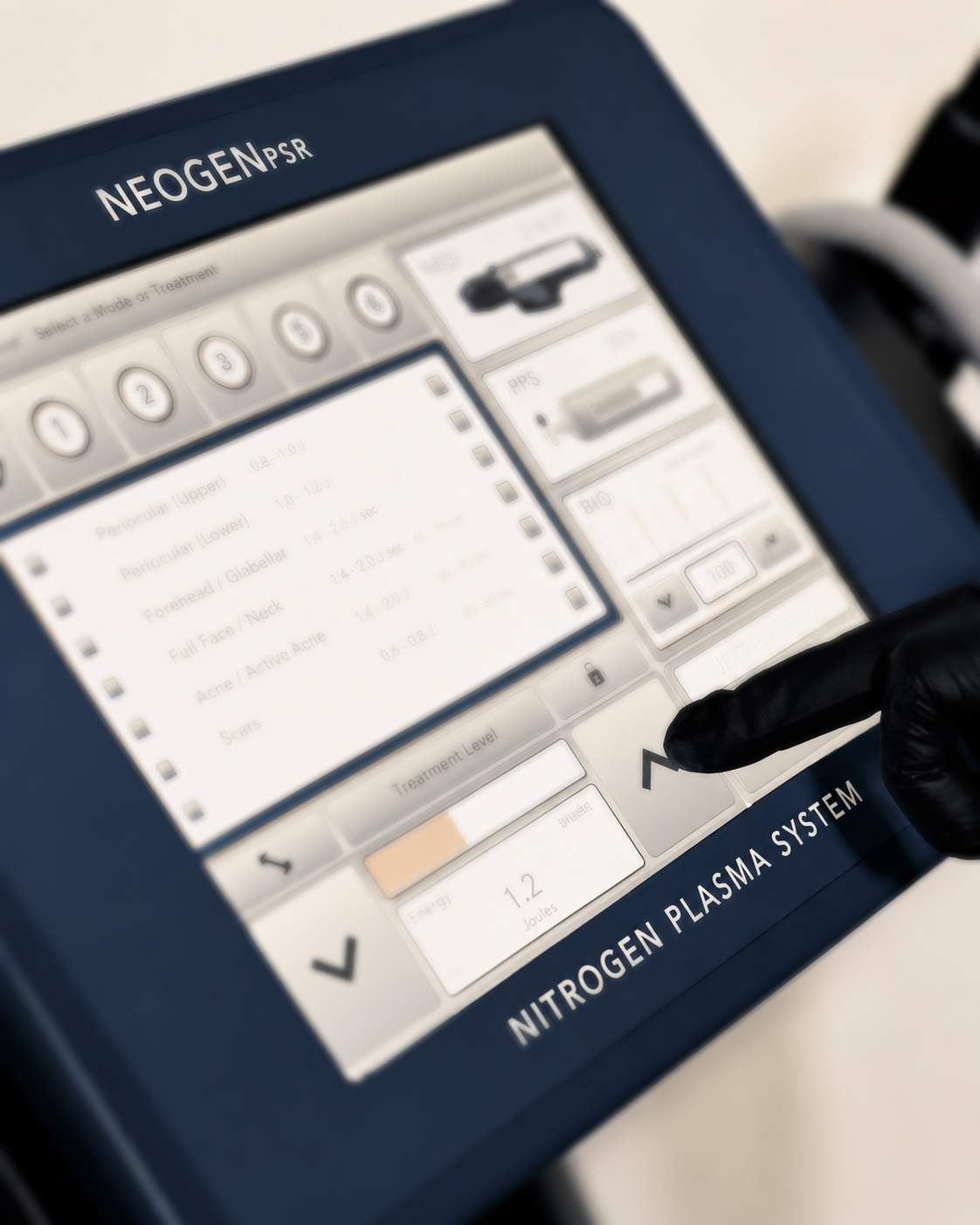
Thinking about Plexr or Botox? A Calgary RN breaks down what each one does, and how Plexr can help bridge the transition if you’re stepping away from Botox altogether.

Most clients don’t walk in asking to compare Botox and Plexr — they’re already using one, wondering if Plexr might do something Botox can’t. It’s one of the most common questions I get from Calgary clients already on Botox: whether something more permanent might suit them better at this stage. The short answer: both address expression lines and visible aging, but Botox (or any neuromodulator, Dysport, Xeomin, and similar products) works by temporarily paralyzing the muscle that causes movement, while Plexr creates a permanent change in the skin itself.
Understanding that difference matters, especially if you’re using Botox now and wondering what a different and more permanent longer-term approach might look like.

What Botox Does (and Doesn't)
Botox works by immobilizing the treated muscle, not just relaxing it, blocking the nerve signal that would otherwise trigger movement. That’s genuinely effective at softening the specific expression lines tied to that movement. Something less commonly talked about: with repeated, ongoing use, that same immobilization has been linked in the medical literature to a degree of muscle atrophy over time, which can itself contribute to a different kind of laxity, separate from the wrinkles Botox was originally treating. What it still doesn’t do: address excess or lax skin, that’s outside what Botox is designed for entirely. It can help soften static wrinkles to some degree, by reducing the muscle tension that deepens them over time, but it doesn’t resolve them permanently the way Plexr does. Botox also doesn’t rebuild anything, once it wears off, the muscle resumes its normal movement.
What Plexr Actually Does (and Doesn't)
Plexr works through sublimation, converting the skin’s surface layer directly to a gaseous state, which triggers immediate contraction and ongoing collagen production as it heals. [ The full mechanism is covered here → How Plexr Works ]. What it addresses: excess or lax skin, and static wrinkles, the ones visible even without movement, softening them and in many cases flattening them permanently. Because the tissue itself is changed rather than the muscle temporarily quieted, there’s no ongoing maintenance schedule required to hold onto the result the way there is with Botox. What it doesn’t do: stop muscle movement. Expression stays natural, since nothing underneath is being paralyzed.

Q&A: Is Plexr a replacement for Botox?
It depends on why someone’s using Botox in the first place. If it’s preventative, aiming to stop expression lines before they form, that’s a different goal than what Plexr is for. But for anyone who already has static lines and wants to soften or remove them without relying on ongoing neuromodulator treatments, Plexr is a great solution. That’s genuinely who this treatment is for, people who already have lines they want addressed directly.
The Targeted Lift Comparison
Although Botox and Plexr work through completely different mechanisms, both can be used strategically to influence facial position and create subtle lifting effects. Plexr can be used in targeted spot treatments to lift specific areas, not just the brow. The eyelid, above the eyebrow/arch, along the temple, beside the ear to lift the cheek, along the jawline, and around the mouth to soften marionette lines — the same targeted approach applies. This is often compared to how Botox is used for similar lifting effects in these same areas. The real difference is permanence: Botox achieves this temporarily by relaxing the surrounding muscle, which causes lift, and it fades as the effect wears off. Plexr’s effect on the treated area doesn’t fade, aside from the normal aging that continues everywhere, regardless of treatment.
What About Under the Eyes Specifically?
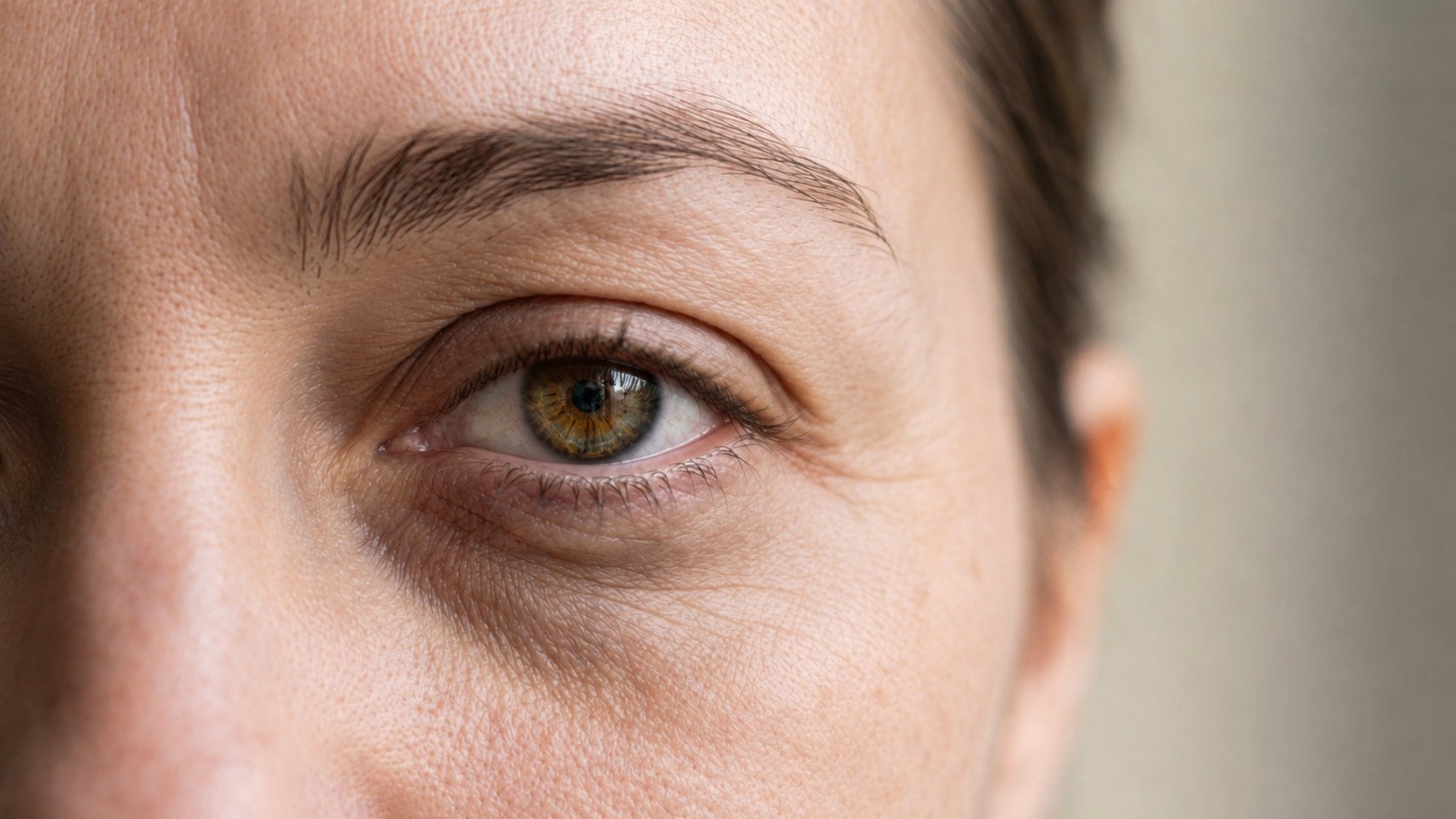
This is a real, documented effect: Botox placed near the lower eyelid specifically works on the same muscle that helps support this area and assists with natural fluid drainage. Relaxing that muscle can, in some cases, worsen the appearance of puffiness or laxity while the Botox is active. This isn’t true of Botox everywhere on the face, it’s specific to this exact placement. Plexr addresses this under-eye area differently: it removes and tightens loose skin, treats lines, and improves texture directly, with fresh new skin revealed as the treated layer heals, which is the more permanent and direct option for genuine under-eye concerns specifically.
For a full breakdown of under-eye laxity specifically, see Why Does the Skin Under My Eyes Feel Loose?
Q&A: Does Botox make eyelid skin worse?
Not generally, but Botox placed specifically near the lower eyelid can worsen puffiness or laxity while it’s active, by relaxing a muscle that also supports drainage and structure in that area. This is placement-specific, not a general effect of Botox everywhere.
Can They Be Used Together?
Yes, it doesn’t have to be one or the other. Plexr and NeoGen can be used alongside Botox for those wanting to address both movement-caused lines and skin quality at once. It’s also common for people to use Botox for years and eventually start wondering whether it’s still the right fit, or whether something more permanent might suit them better at this stage. Plexr provides a way to address the static lines and skin quality directly, without needing to keep up with ongoing neuromodulator appointments.
Q&A: What are my options coming off Botox?
In a real sense, we’re the first generation navigating this. Women reaching perimenopause and menopause now are often the first to have used Botox for years or even decades beforehand — that combination genuinely didn’t exist for the generation before us. So this is new territory: figuring out what happens to skin that’s spent 15-20 years relying on muscle relaxation, right as it also starts needing more structural support than ever.
Q&A: Is Plexr a good option during menopause specifically?
Yes — Plexr works by sublimating the tissue directly, then rebuilding it through new collagen production as it heals. That process directly addresses the structural collagen loss and laxity that accelerate during perimenopause and menopause.
Common Questions
Is Plexr permanent, unlike Botox?
Yes, in the sense that matters: the tissue Plexr treats is genuinely changed, not just temporarily quieted the way a neuromodulator is. That doesn’t mean skin stops aging, everyone’s skin keeps changing over the years regardless of treatment. But the specific improvement in that treated area doesn’t reverse itself or wear off the way Botox does.
Can Plexr fix what Botox can’t?
Plexr can address excess or lax skin directly, which Botox doesn’t touch at all. For static wrinkles, Botox can help to a degree by reducing the muscle tension that deepens them over time, but Plexr addresses the depth and visibility of lines permanently, rather than managing it on an ongoing basis.
Should I choose Plexr or Botox?
If you don’t want movement, a neuromodulator is the tool for that. If you prefer natural expression and the concern is excess skin, laxity, or visible lines, Plexr is an excellent option. And if you’re thinking about stepping away from neuromodulators, Plexr can help bridge that transition, since it softens the static lines that tend to become visible once the muscle isn’t being paralyzed anymore.
Whether you’re wondering if Plexr is a good fit for you on its own, or thinking about it specifically as you shift away from neuromodulators, I’d be happy to answer your questions and help you determine if it’s the right fit for you. Complete the contact form below to get started.
Sarah is a Registered Nurse and is the founder of Gia Sena | providing regenerative plasma aesthetics in Calgary. Her approach blends clinical expertise with a regenerative philosophy, supporting midlife skin through treatments that restore structure, resilience, and long-term skin health.
Book your Consultation
This is where we tailor it, for you.