Dark circles can be vascular, pigmented or structural — and often more than one factor is involved. Here’s how to tell what may be contributing and which treatments are best suited to each type.
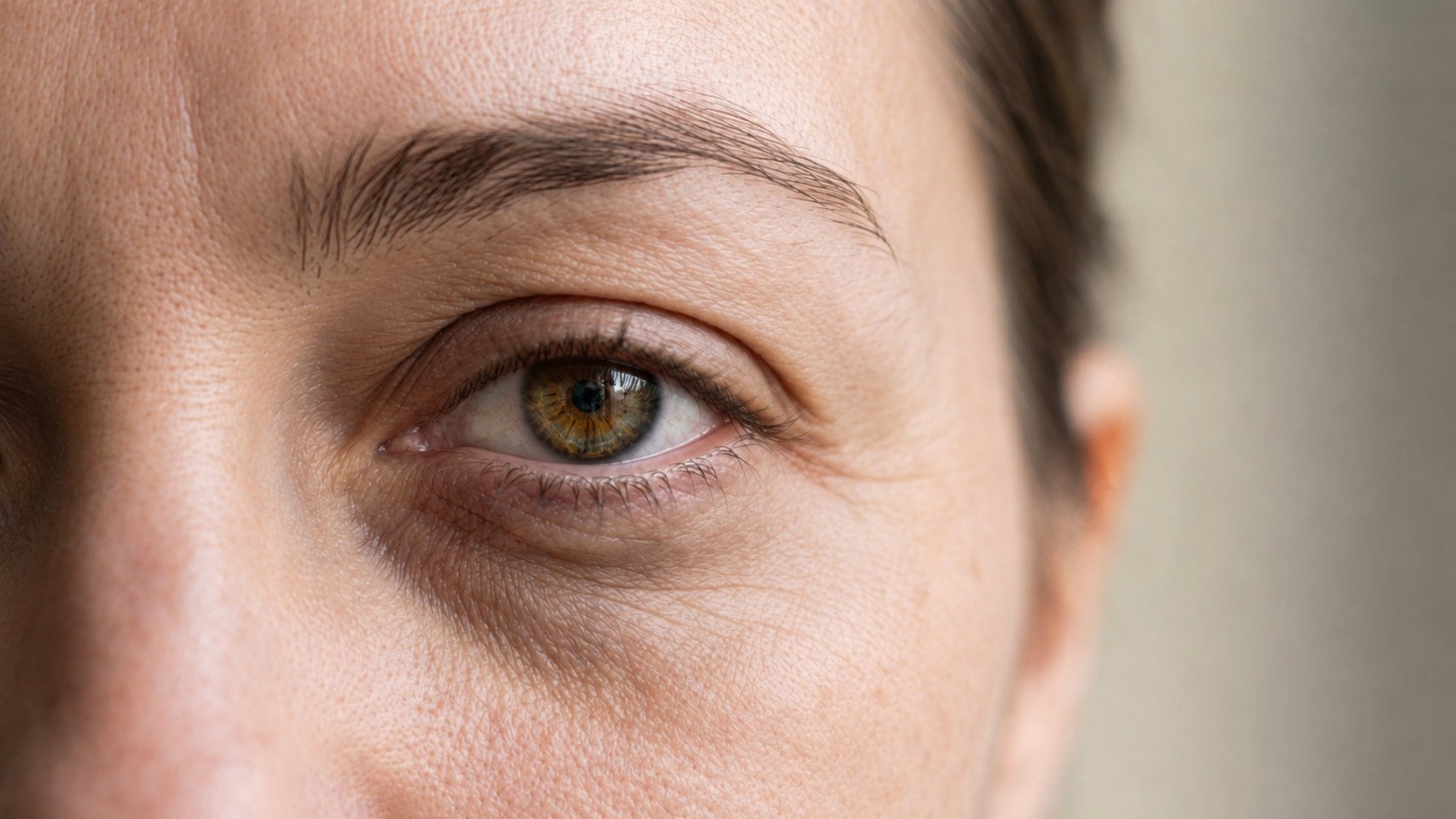
Dark circles can make you look tired when you don’t feel tired — and unfortunately, there isn’t one universal fix for them. What helps depends on what’s creating the darkness in the first place, and more than one factor can be happening at once.
Quick Answer: Dark circles generally fall into three types: vascular (underlying vessels and tissue showing through thin skin), pigmented (increased melanin), and structural (facial anatomy, hollowing or tissue changes creating a shadow). It’s common to have more than one type at the same time.
A simple clue is the eyelid stretch test. Gently stretch the lower-eyelid skin outward. Pigmentation tends to remain visible, while vascular colour may change or the underlying vessels may become more apparent. Structural darkness behaves more like a shadow, changing with lighting, angle and the contour beneath the eye.

How to tell vascular, pigmented, and structural dark circles apart.
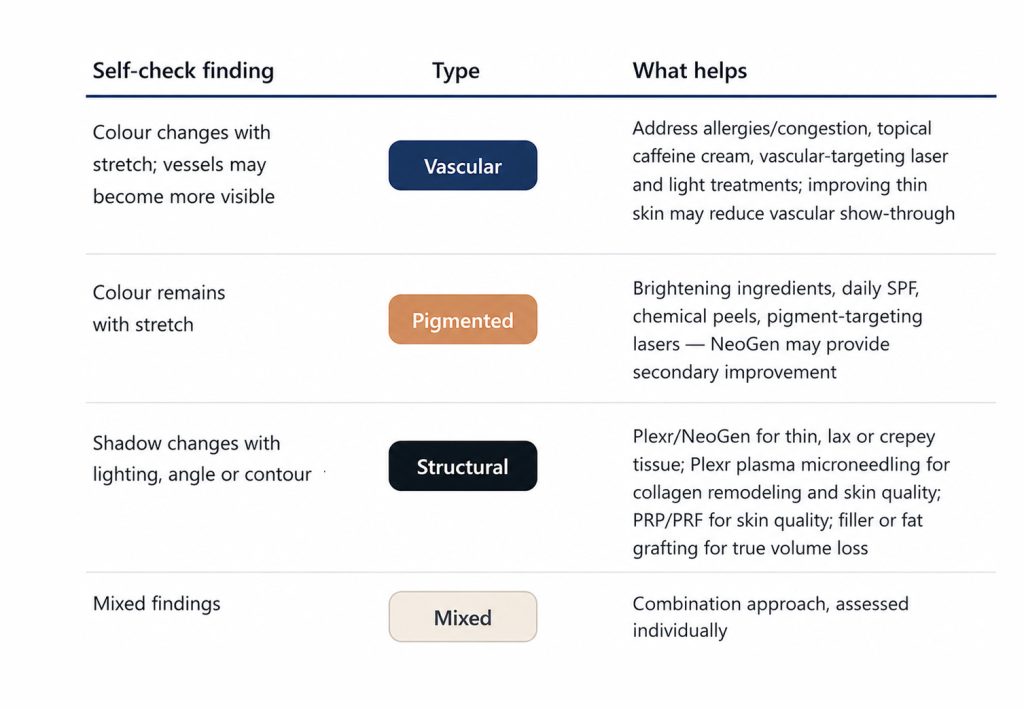
A quick-reference table pairing common findings with the corresponding dark-circle type and treatment options.
Worth knowing: Persistent dark circles can sometimes be associated with medical factors rather than being purely cosmetic. Iron-deficiency anemia has been associated with periorbital darkening, and thyroid, renal, liver and other systemic conditions have also been described in medical literature. If a new or worsening change around your eyes occurs alongside fatigue, unexplained weight change, swelling or other symptoms, mention it to your physician before assuming it’s cosmetic.
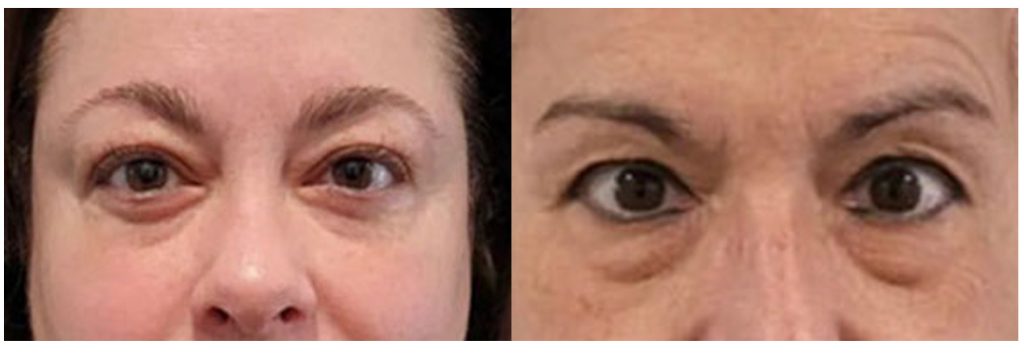
Two close-up examples of under-eye dark circles showing different presentations. Clinical image used with permission.
Which Type Do You Have?
With a vascular cause, underlying vessels and tissue are visible through the very thin skin beneath the eyes, often creating a blue, purple or reddish appearance. When the lower-eyelid skin is gently stretched, the colour may change or the underlying vessels may become more apparent.
Pigmented darkness comes from increased melanin. Unlike vascular colour, pigmentation tends to remain visible when the skin is stretched.
Structural darkness is different again. Tear-trough hollowing, age-related volume changes, skin laxity, thinning tissue or facial anatomy can create shadows beneath the eye. These shadows tend to change with lighting, angle and the contour beneath the eye rather than behaving like fixed skin colour.
It’s common to have more than one type at once — a structural hollow can exist alongside pigmentation or vascular show-through.
Q&A: How can I tell what type of dark circles I have?
You can get some useful clues, but it’s not a perfect at-home diagnostic test. Pigmentation tends to remain visible when the lower-eyelid skin is stretched, while vascular colour may change or the underlying vessels may become more apparent. Structural darkness behaves more like a shadow and tends to change with lighting, angle and facial contour.
MYTH: Most people have one clear cause for their dark circles.
FACT: Mixed presentations are common. Research classifying dark circles has identified combinations of pigmented, vascular and structural factors, which helps explain why a single product or treatment may only partially improve what you’re seeing.
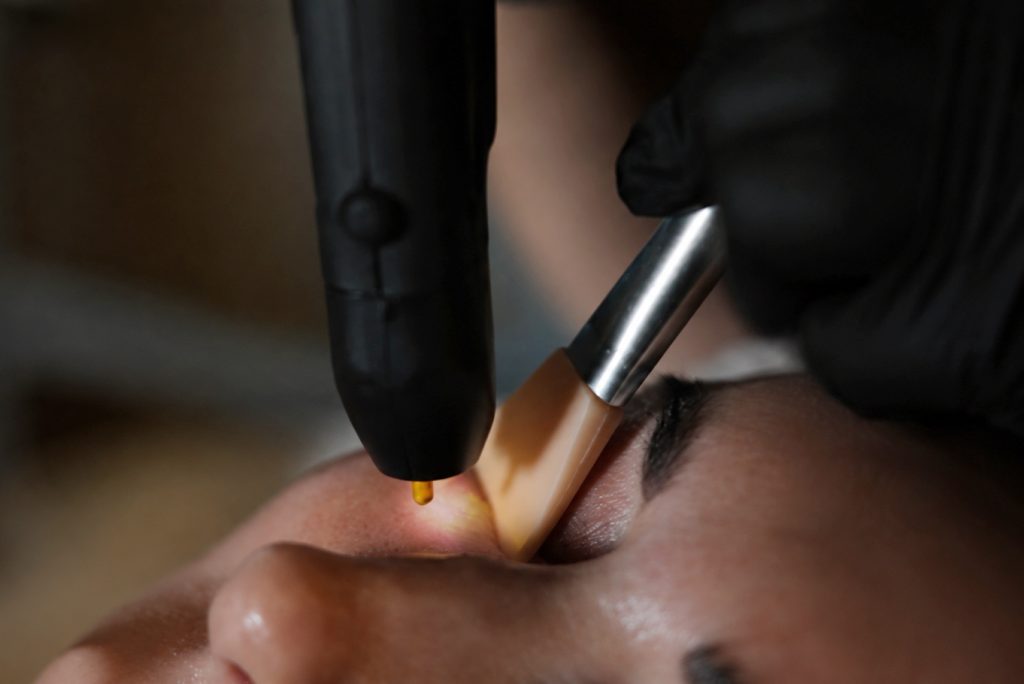
Photograph showing NeoGen plasma energy treatment being applied to the delicate under-eye skin, with treatment parameters adjusted for the area.
Structural Dark Circles: Where Skin Quality and Support Matter
Structural dark circles are created by the shape and condition of the tissues around the eye. Tear-trough hollowing, age-related volume loss, thinning skin, laxity and facial anatomy can all create shadows that make the area appear darker.
These changes can become more noticeable with age as collagen, skin thickness and structural support decline. Hormonal changes during perimenopause and menopause can contribute to that loss of collagen and skin quality as well.
NeoGen supports collagen remodelling, tightening and improvements in skin quality throughout the treated tissue, making it particularly relevant when thin, crepey or lax under-eye skin is contributing to the shadowing.
Plexr is particularly useful when excess or lax skin is part of the problem. Its semi-ablative approach precisely sublimates superficial tissue, while non-ablative Plexr treatments can support collagen stimulation and skin quality without removing tissue.
Plexr Lumen combines microneedling with Plexr plasma energy in the same treatment, adding another approach for collagen remodelling and skin quality.
These treatments can improve skin thickness, collagen support and some of the volume loss associated with tissue thinning. For deeper tear-trough hollowing or more significant volume loss, however, dermal filler or fat grafting are more direct volume-replacement options.
PRP and PRF are injectable, blood-derived treatments that can also support collagen production and skin quality when thin or crepey tissue is part of the presentation.
Different approaches can therefore complement one another because they’re addressing different parts of the problem: rebuilding or tightening the skin, improving tissue quality, or restoring volume where volume has been lost.

PRP and PRF are blood-derived treatments used to support collagen production and skin quality under the eyes.
Q&A: Will Plexr or NeoGen fix all dark circles?
No. They’re most relevant when thin, crepey or lax tissue is contributing to the darkness. Improving skin quality and thickness may also reduce vascular show-through, and NeoGen can improve some pigmentation and overall under-eye darkening — but pigmentation isn’t the primary reason I would choose it for this area.
Melanin-driven or vascular dark circles may need a more targeted approach. That’s why identifying what’s contributing to the darkness matters before deciding how to treat.
What About Vascular and Pigmented Circles?
Vascular circles may respond to things like caffeine eye creams, retinol-based eye products over time, addressing allergies or congestion, and vascular-targeting laser or light treatments such as IPL or pulsed dye laser. Cold compresses, staying well-hydrated, and gentle massage or lymphatic drainage may help with temporary puffiness or make the area look better temporarily, but they don’t treat the underlying vascular cause itself.
Age-related collagen loss — including the changes in skin quality that can occur during perimenopause and menopause — can make vascular show-through more noticeable as the under-eye skin becomes thinner. When thin skin is contributing, treatments that improve collagen and skin quality may also make the underlying vessels less visible.
Pigmented circles may respond to brightening ingredients like niacinamide, vitamin C or kojic acid, alongside consistent daily sun protection, chemical peels or pigment-targeting lasers such as Q-switched or picosecond lasers. If eye rubbing, allergies or dermatitis are contributing, addressing that inflammation can make a difference.
Plexr and NeoGen aren’t primarily pigment treatments. NeoGen has shown some improvement in under-eye pigmentation and overall darkening, so pigment improvement is possible — but melanin-driven dark circles are still better approached as a pigmentation concern.
Q&A: How do you reduce dark circles under the eyes?
It depends on the cause. Pigmented circles require a pigment-focused approach. Vascular circles may benefit from addressing the underlying vascular visibility, thin skin, allergies or congestion contributing to them. Structural circles require an assessment of what’s creating the shadow — which may include hollowing, thin or lax skin, excess tissue or facial anatomy.
And because mixed dark circles are common, more than one approach may be needed.
Getting Started
If thin, crepey or lax under-eye skin is part of what you’re seeing, Plexr and NeoGen may be appropriate options. Both support collagen remodelling and improvements in skin quality and structure, although they work in different ways and are chosen according to the tissue and treatment goal.
For a broader look at hooded eyes, under-eye bags, crepey eyelid skin and other age-related changes, see our Eye Lift Calgary guide here.
Our Recovery Guide also covers what healing looks like with each approach. Results develop progressively and individual results vary — an in-person assessment is the best way to determine what’s contributing to your dark circles and what you can reasonably expect from treatment.

Every treatment plan starts with figuring out what’s contributing to the appearance of dark circles.
Frequently Asked Questions
Why do I still have some darkness after treatment?
More than one factor may be contributing. If treatment improves thin or lax skin but you also have pigmentation or visible vasculature, those components may still be present afterward. Improving skin quality can sometimes make underlying vessels less visible, but vascular and pigmented causes may require different treatment approaches.
Are dark circles genetic?
They can be. Genetics can influence pigmentation, vascular visibility, skin characteristics and the facial anatomy that creates structural shadowing. What helps depends on which of those factors is contributing.
Can allergies or eye rubbing cause dark circles?
Yes. Allergy-related congestion can impair venous drainage around the eyes and contribute to the vascular appearance often called “allergic shiners.” Repeated rubbing and irritation can also trigger post-inflammatory pigmentation, contributing to pigmented dark circles.
Sarah is a Registered Nurse and founder of Gia Sena, providing regenerative plasma aesthetics in Calgary. Her approach blends clinical expertise with a regenerative philosophy, supporting midlife skin through treatments that restore structure, resilience and long-term skin health.
Sources: Huang, Y.L., Chang, S.L., Ma, L., Lee, M.C., Hu, S. (2014). Clinical Analysis and Classification of Dark Eye Circle. International Journal of Dermatology. Ranu, H., Thng, S., Goh, B.K., Burger, A., Goh, C.L. (2011). Periorbital Hyperpigmentation in Asians: An Epidemiologic Study and a Proposed Classification. Dermatologic Surgery.
Book your Consultation
This is where we tailor it, for you.